
Home / Heat pumps
Official GoodHeat distributor

Heat pumps

Heating, cooling and hot water for homes and businesses, plus pool heating. As the official distributor of GoodHeat, part of the GoodWe group, we design, supply and install complete systems, with a focus on working alongside solar.

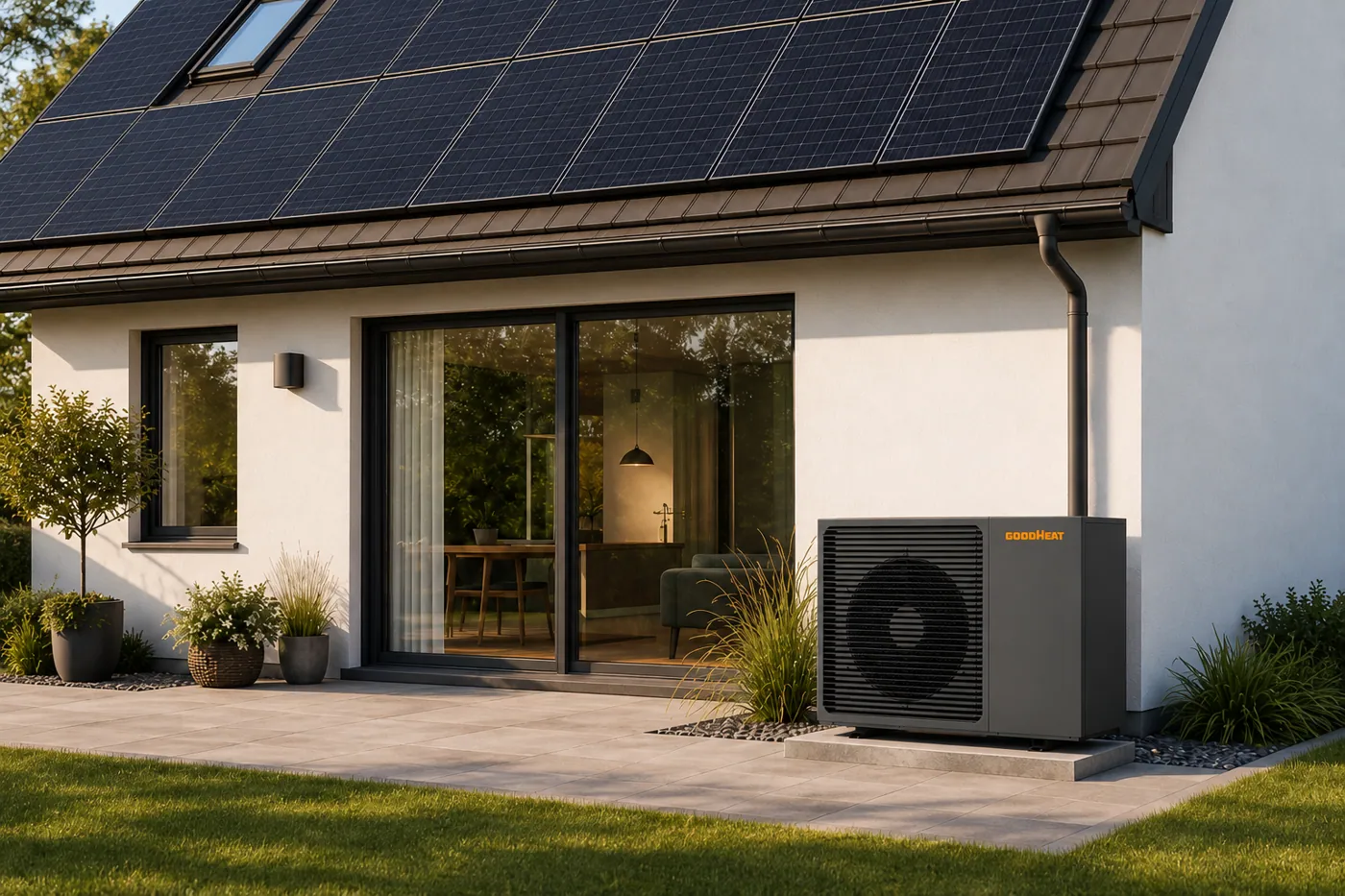
GoodHeat heat pump with solar panels
What it is

A heat pump moves heat; it doesn't make it

That's why it gives you 3 to 5 kWh of heat for every 1 kWh of electricity.

An air-to-water heat pump takes heat from the outside air, even when it's cold, “lifts” it to a higher temperature with a compressor and passes it to the water in your heating system or hot water supply.

In summer the cycle reverses: the same unit takes heat out of the house and cools it through fan coils or underfloor pipes.

GoodHeat heat pumps use R290 (propane), a natural refrigerant with a very low climate impact that allows water temperatures of up to 75 °C. So they suit old radiators too, not just underfloor heating.

How it works

The cycle in four steps

Outsideaireven at −25 °Cfree heatfrom the airHeat pump1. Evaporatorthe refrigerant takesheat from the air2. Compressorraisesthe temperature3. Condenserpasses the heatto the water4. Expansionre-coolsthe refrigerantR290 refrigerant(propane)HomeHeatingunderfloor, fan coilor radiatorsCoolingreverse cycleHot waterup to 75 °Cpower from the grid or solar
A heat pump doesn't “burn” energy to make heat. It moves heat from the outside air into your home, like a fridge working in reverse.
Efficiency

Why a heat pump is so economical

Electric resistance1.0 kWhOil boiler (~85%)0.85 kWhHeat pump, radiators 55 °C (COP ~3)3.0 kWhHeat pump, underfloor 35 °C (COP ~4.8)4.8 kWh012345
How much heat you get for every 1 kWh of energy you pay for. This number is called the COP. Indicative values at an outdoor temperature of 7 °C.
COP
How much heat the heat pump gives for every 1 kWh of electricity, under specific conditions. A COP of 4 means 4 kWh of heat for 1 kWh of electricity.
SCOP
The average COP over a whole heating season. It's the most realistic guide to your costs.
Water temperature
The lower the temperature the system needs (underfloor at 35 °C), the higher the COP. With radiators at 55 °C the COP is lower, but it's still much cheaper than heating oil.
Energy class
GoodHeat R290 models are rated A+++ at 35 °C, according to the manufacturer.
Spotlight

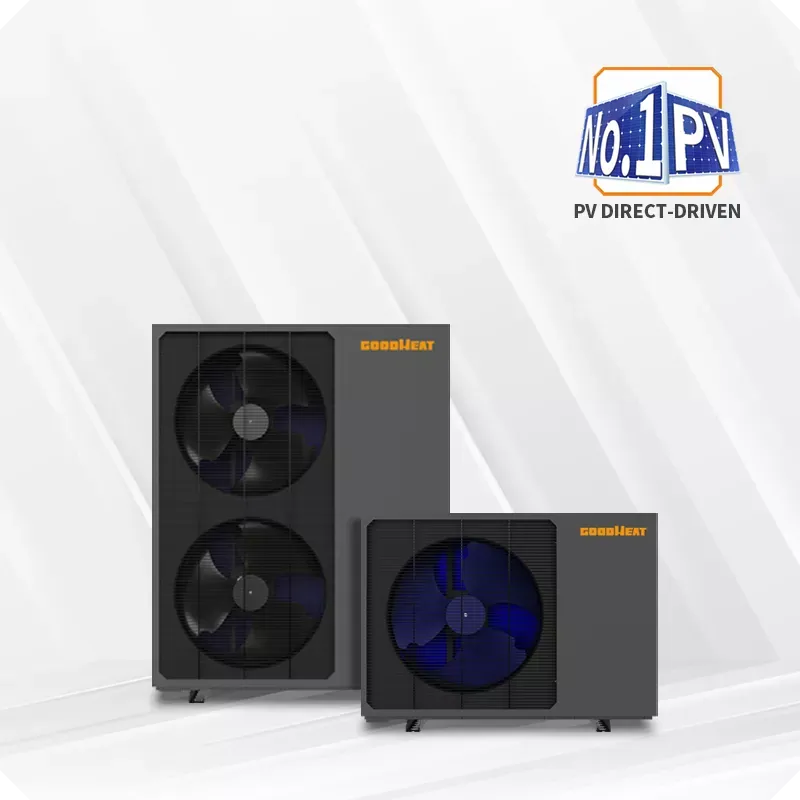
Solar-powered heat pumps (PV direct-driven)

The compressor runs directly on direct current from the panels. Solar energy becomes heating, cooling or hot water with no conversions in between.

Solar panelsdirect current (DC) Heat pumpPV direct-driven MPPT DC DCdirect Grid (AC)backup whensun isn't enough HeatingCoolingHot water
In a PV direct-driven heat pump, the panels connect to a dedicated input on the unit. The built-in MPPT controller constantly finds the panels' maximum power point, and the compressor runs on direct current with no conversion to AC. When solar energy isn't enough, the grid tops it up automatically.

Straight from the panels

The panels connect to a dedicated input on the heat pump. Fewer DC/AC conversions mean fewer losses.

Built-in MPPT

The heat pump constantly finds the panels' maximum power point, just like an inverter.

Grid as backup

When there isn't enough sun, the heat pump automatically tops up from the grid or the battery.

Perfect for net billing

The midday surplus becomes heating, cooling or hot water, instead of being sold cheaply to the grid.

What you need to know. The panels for a PV direct-driven heat pump are a separate, small array (usually 6 to 16 panels, depending on the model) connected only to the heat pump. We don't connect an existing solar system directly to it without checking compatibility. We look at this in the study.
Products

The GoodHeat heat pumps we recommend

Technical data comes from the manufacturer and is confirmed for each model in your quote.

GoodHeat R290 series heat pumps
Just arrivedGoodHeat

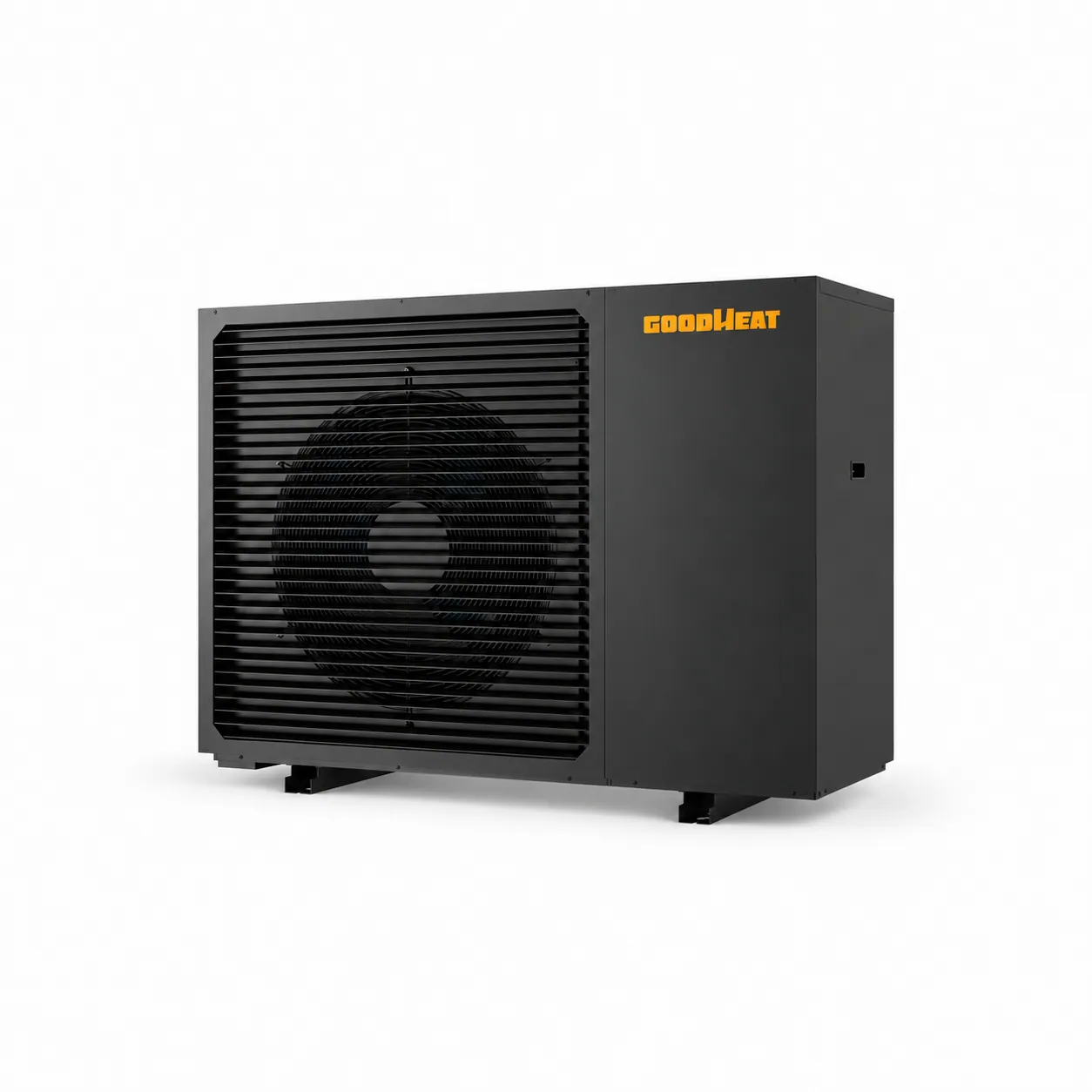
R290 air-to-water monoblock, 16 kW and 18 kW three-phase

The GSHVTH-16AA1 and GSHVTH-18AA1 models we supply for detached and larger homes. Heating, cooling and hot water from one outdoor unit.

Heat output
≈ 16.2 / 17.6 kW (A7/W35)
COP
≈ 4.8 / 4.9 (A7/W35)
Water up to
75 °C
Heating operation
−25 to 45 °C
Refrigerant
R290
Power supply
three-phase 380–415 V
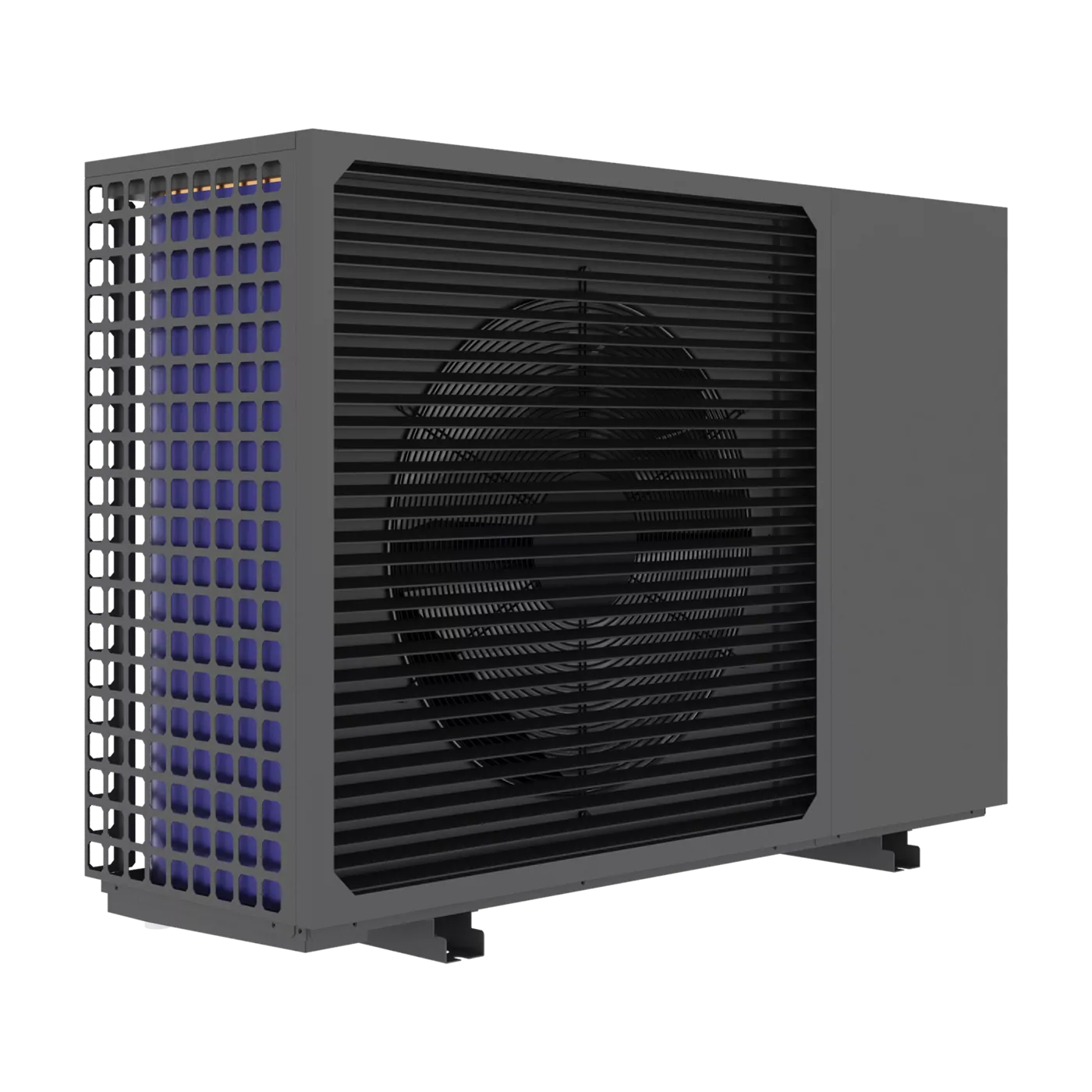
R290 residential series 4–18 kW
GoodHeat

R290 residential series 4–18 kW

Single-phase and three-phase models for every size of home. Energy class A+++ at 35 °C, colour touchscreen controller, Wi-Fi and two heating zones.

Power
4 to 18 kW
Class (35 °C)
A+++
Control
Wi-Fi, app, SG Ready
R290 PV direct-driven
GoodHeat

R290 PV direct-driven

The version that takes panels directly, with built-in MPPT. Monitoring of generation and consumption, weather compensation curve and hourly schedules.

Input
solar DC + grid
Series connection
up to 16 units
Protection
refrigerant leak sensor
Cost example

A 120 m² house: same warmth, different cost

About 12,000 kWh of heat a year. A heat pump with an SCOP of 3.8, running radiators or fan coils.

How the numbers work out
Heating oil: 12,000 kWh ÷ 85% efficiency ÷ 10 kWh/litre≈ 1,412 litres
Heating oil cost1,624 €
Heat pump: 12,000 kWh ÷ SCOP 3.8≈ 3,158 kWh electricity
Heat pump electricity cost505 €
With solar covering ≈ 38% of the heat pump's use313 €

Savings compared with heating oil: about 1,118 € a year with the heat pump alone, and about 1,310 € with solar.

Assumptions used in the examples: electricity price 0.16 €/kWh, surplus payment 0.06 €/kWh, heating oil 1.15 €/litre, Athens. Figures are indicative. Our study works out your own numbers.

Electric heaters≈ 1,920 €/yearOil boiler≈ 1,624 €/yearHeat pump≈ 505 €/yearHeat pump + solar≈ 313 €/year
Annual heating cost for the same house.
Domestic hot water

Heat pump water heater

Hot water all year round for about a third of the electricity of an electric water heater.

  • Water up to 75 °C, for homes and commercial premises.
  • Wi-Fi for control from your phone.
  • PV direct-driven version: runs directly on a few panels, with no inverter.
  • An ideal alternative to a solar water heater when there's no room on the roof for collectors.
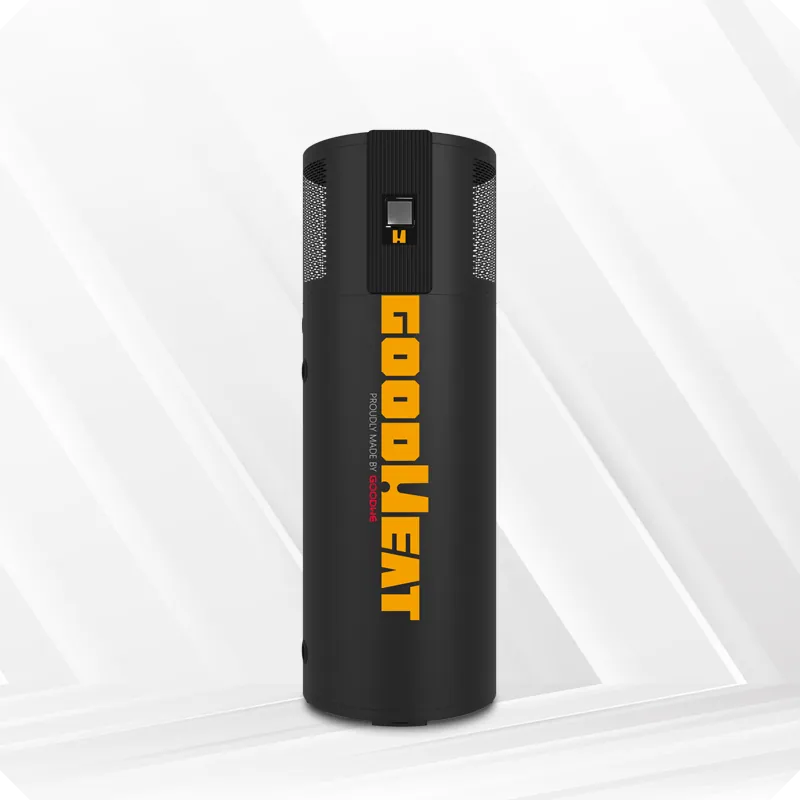
GoodHeat R290 heat pump water heater
R290 water heater
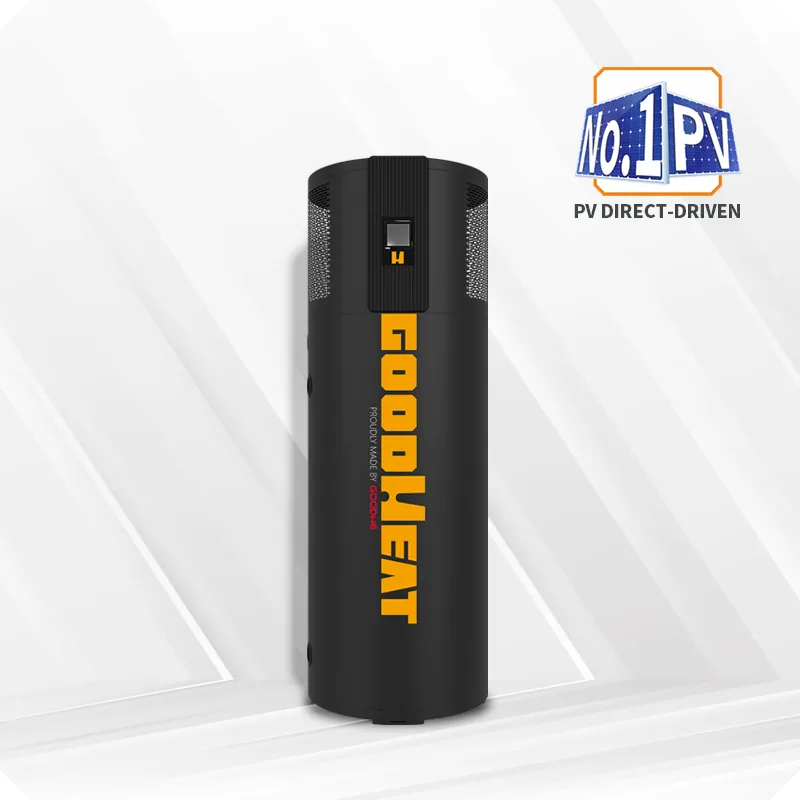
GoodHeat PV direct-driven water heater
PV direct-driven
Pools

Water at the temperature you want, from April to October

In mild weather, a pool heat pump gives 5 to 6 times more heat than the electricity it uses.

A pool loses heat mainly through its surface, at night and when it's windy. The heat pump warms the water as it passes through the filter and holds the temperature you set. A pool cover cuts the losses a great deal.

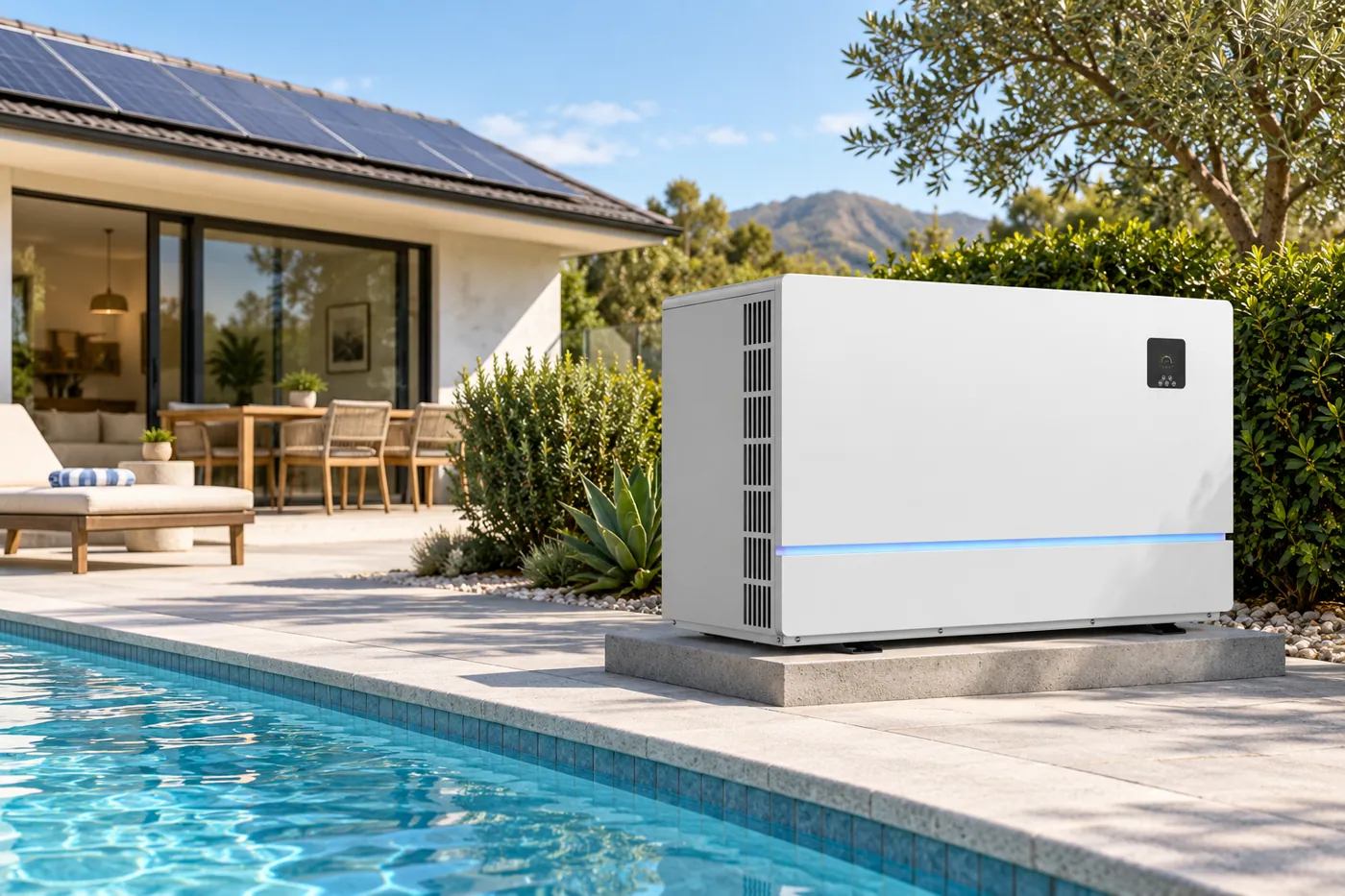
Because pool heat pumps run mainly during the day, they are an ideal match for solar. GoodHeat's R290 ranges also include versions that can be powered by solar panels.

  • Private pools, hotels, sports facilities.
  • Water heating and cooling from the same unit.
  • Titanium heat exchanger, suitable for salt water too.
  • Side, top or front air outlet, to suit your space.
Side air outlet, with solar panels
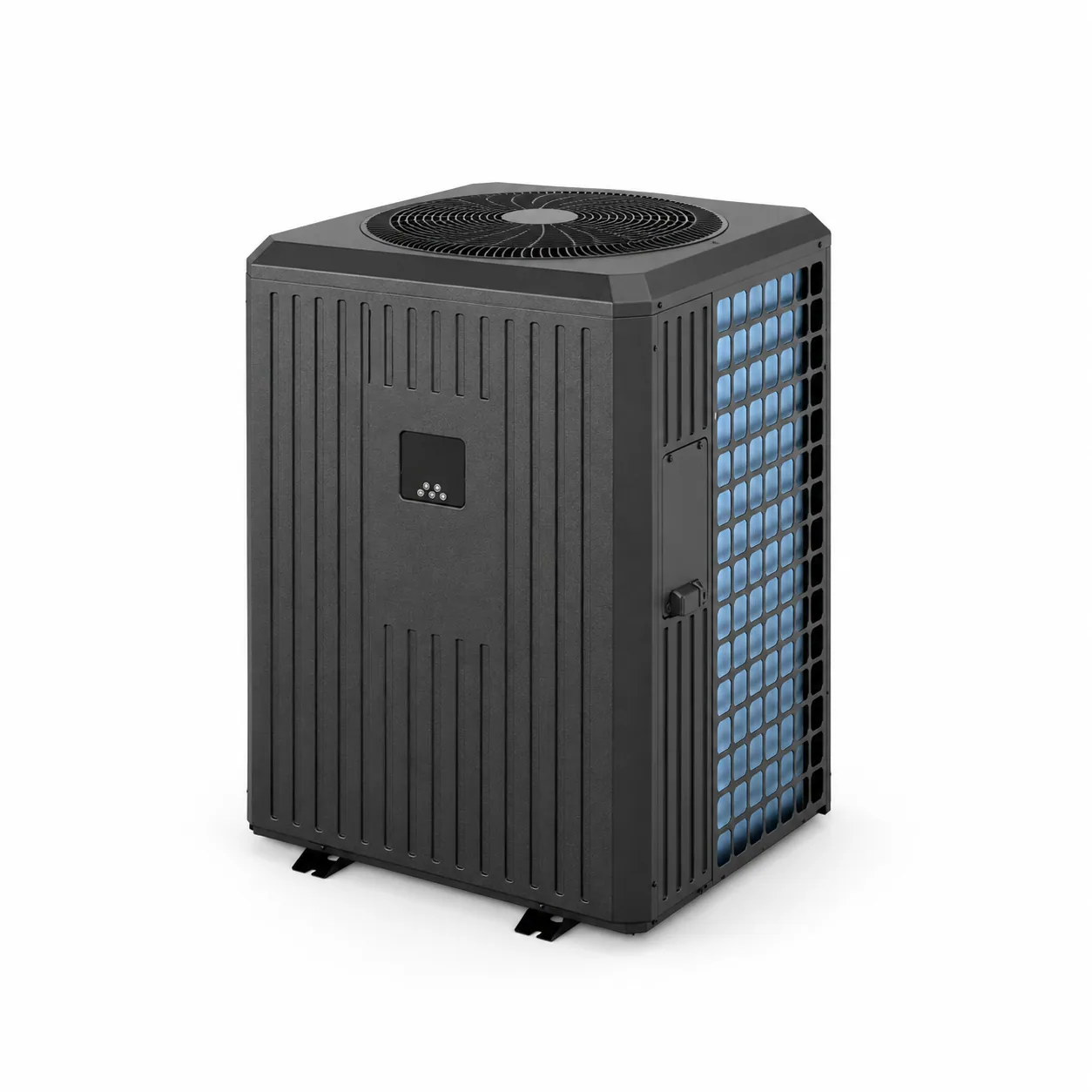
Top air outlet
Top air outlet
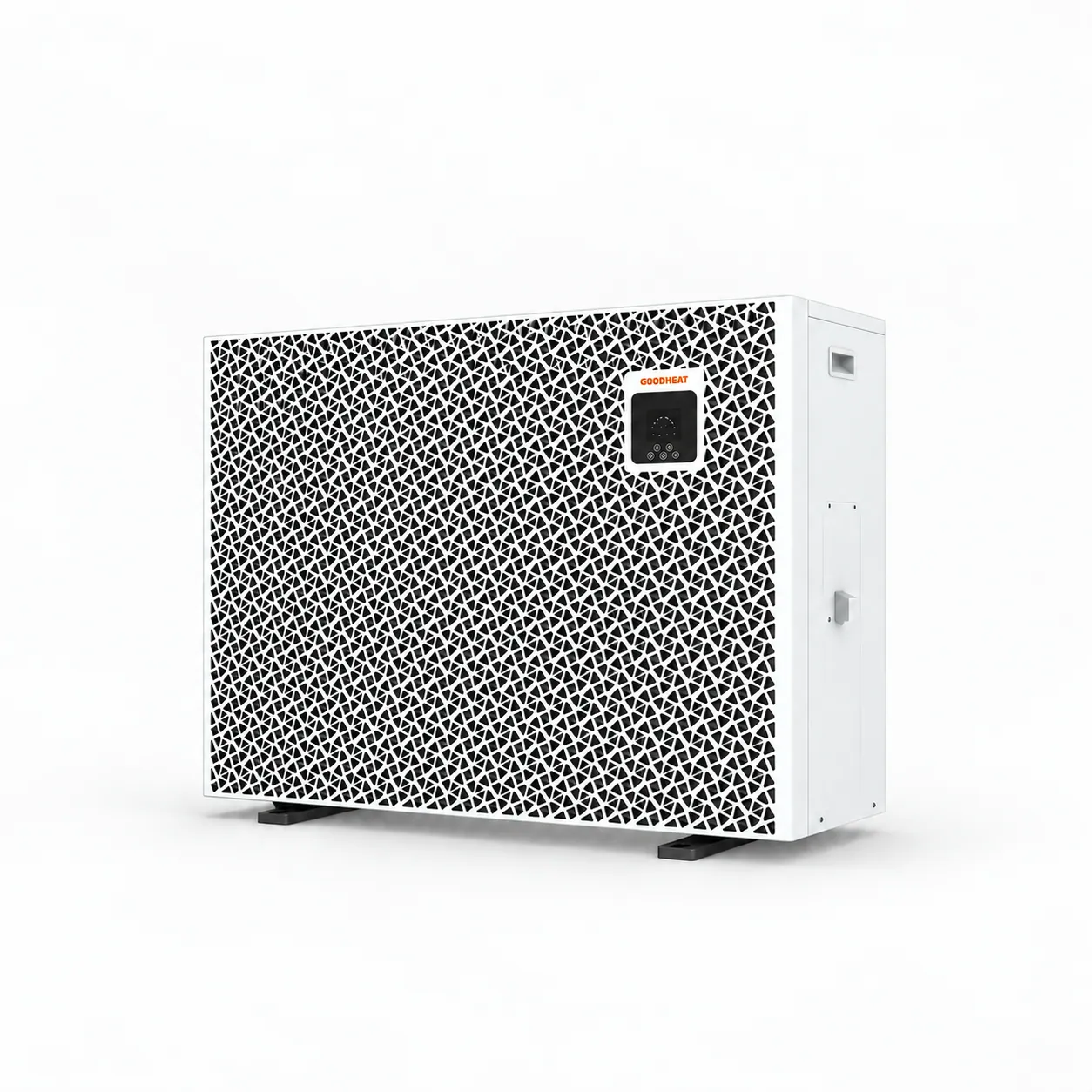
Front air outlet
Front air outlet
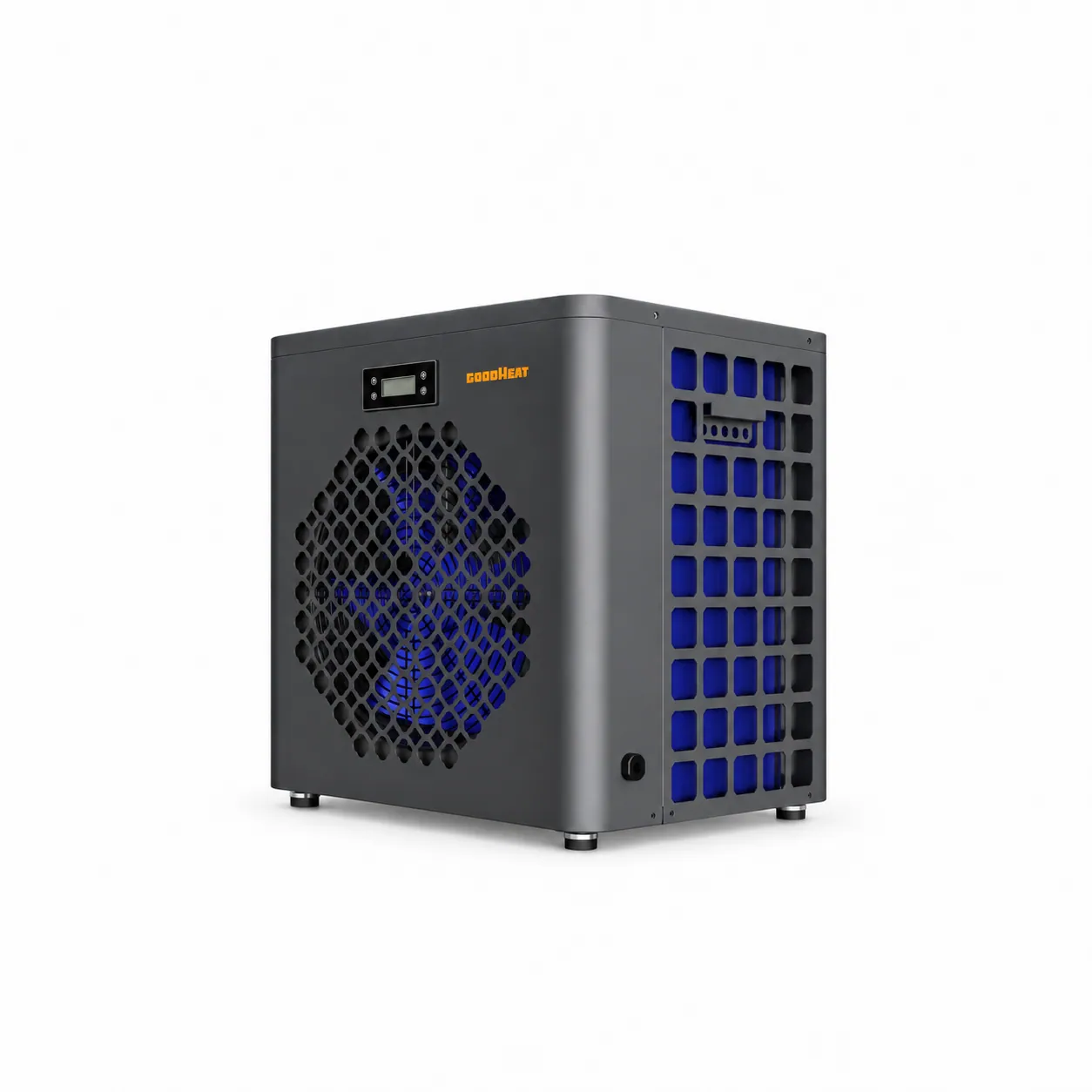
Mini, for small pools
Commercial

Large loads, low running costs

Hotels, offices, clinics, schools, restaurants.

  • Cascade connection of up to 16 units for large buildings.
  • Large volumes of hot water for hotels and restaurants.
  • Combined with commercial solar, on net billing or zero feed-in.
  • Heating load study by our engineers.
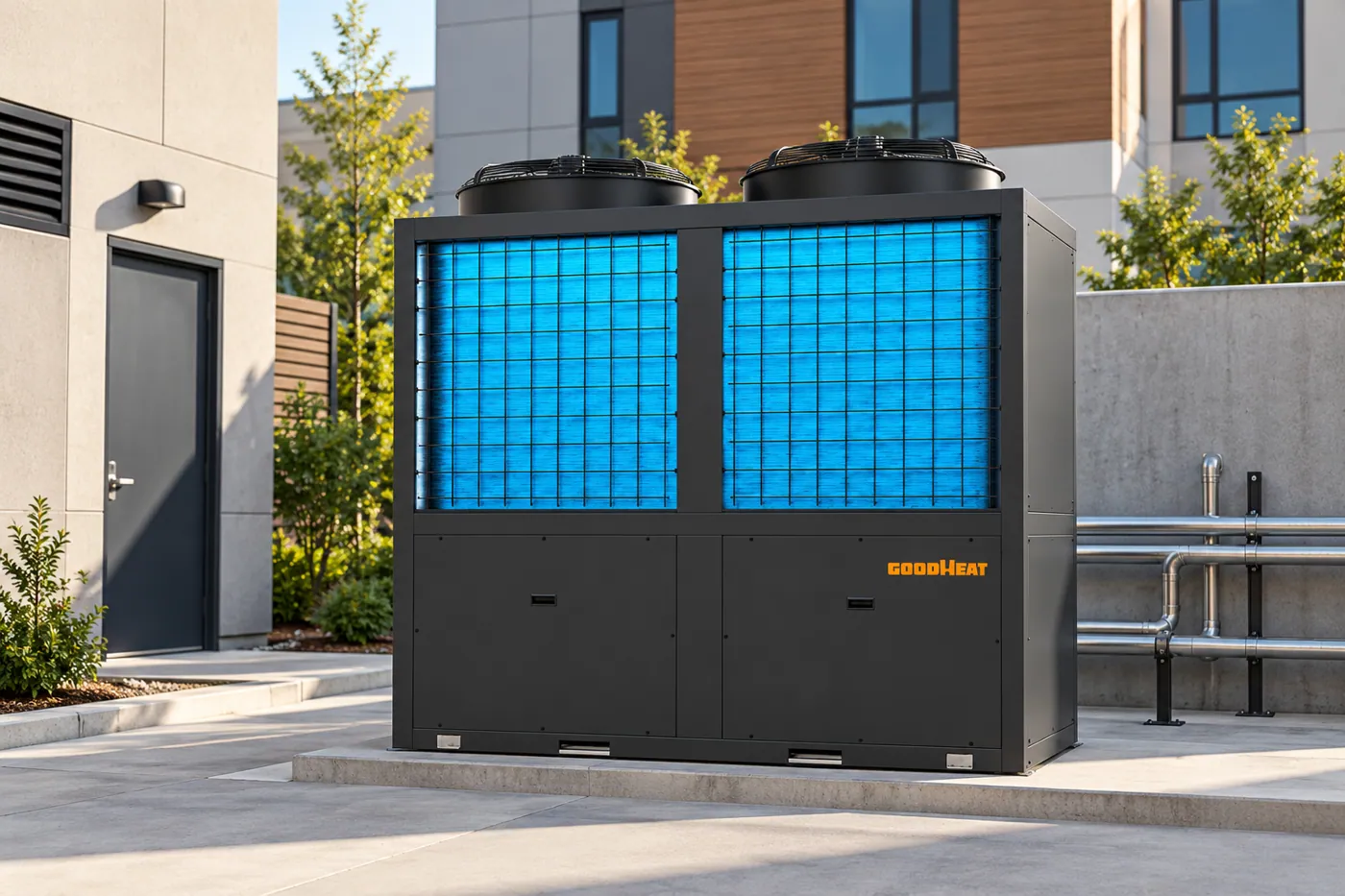
GoodHeat R290 commercial heat pumps
R290 commercial heat pumps in series
In use

What an installation looks like

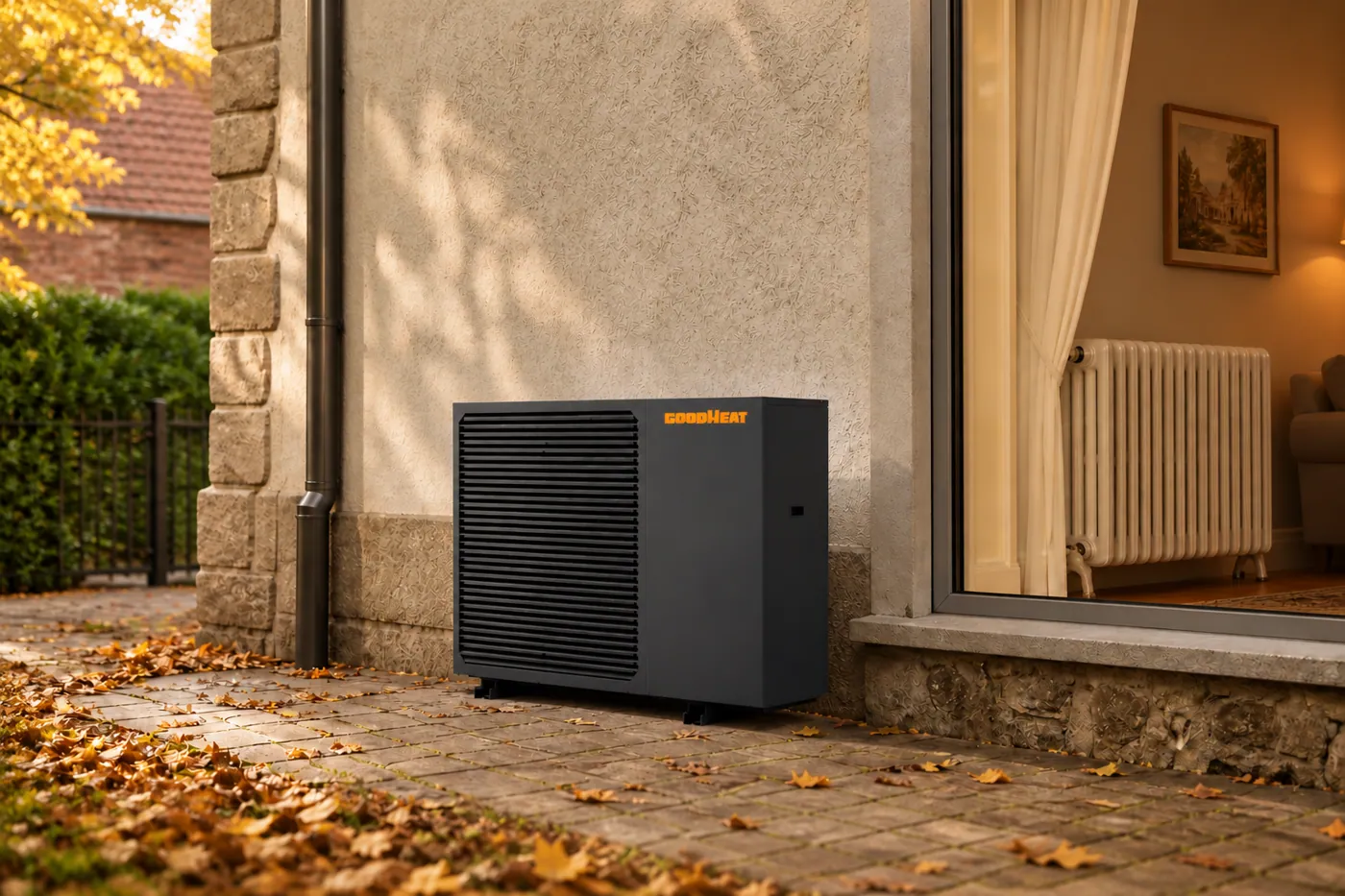
Detached house: air-to-water heat pump next to the house
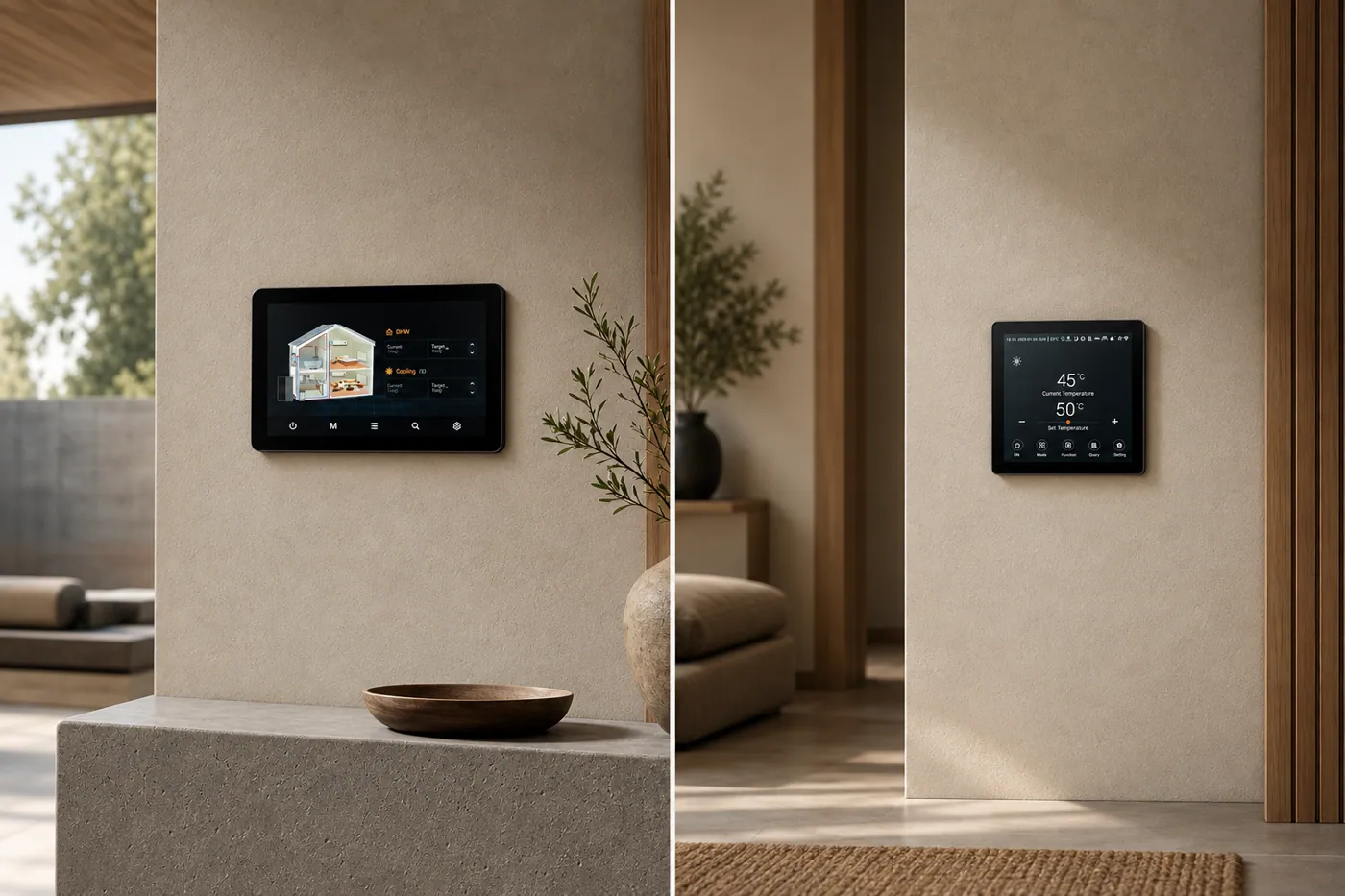
Touchscreen controller and phone app
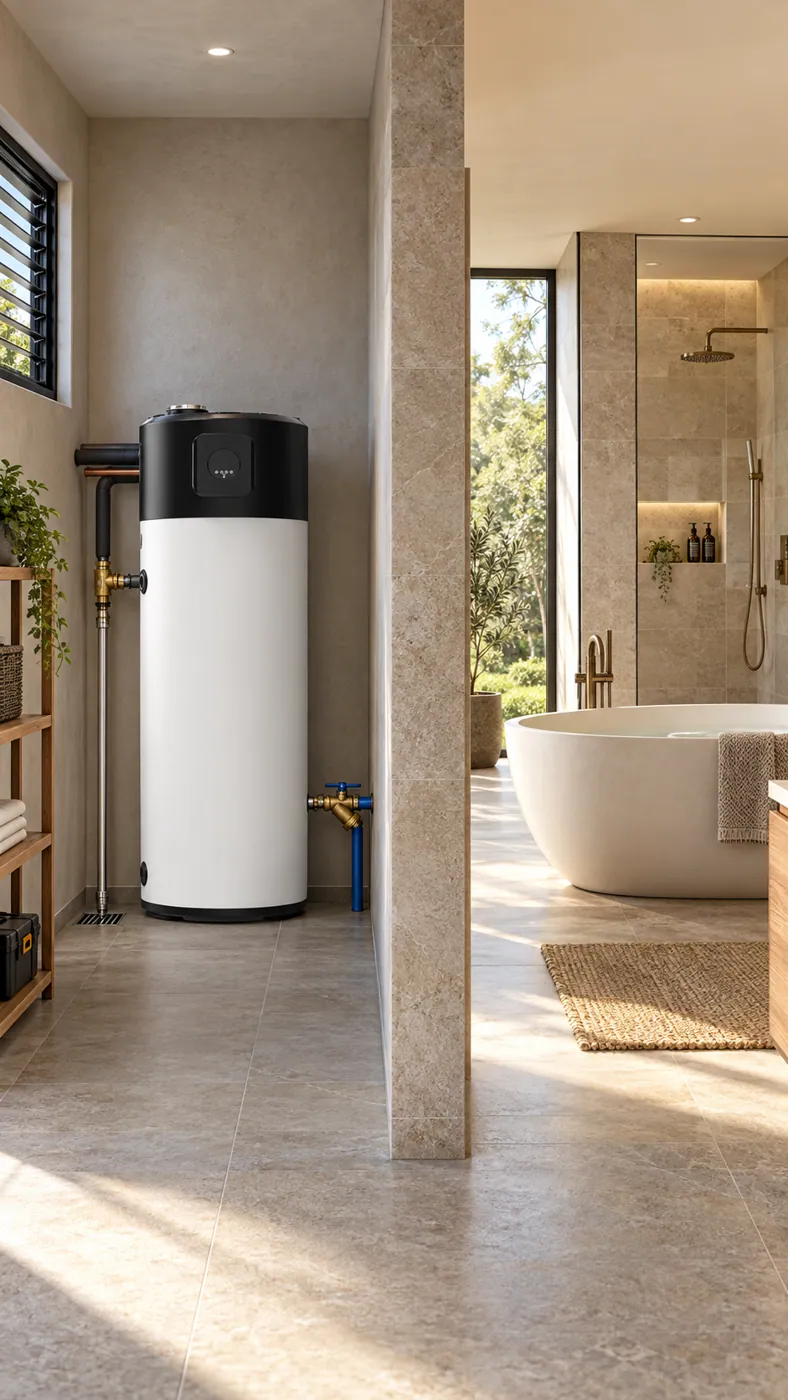
Heat pump water heater in the boiler room
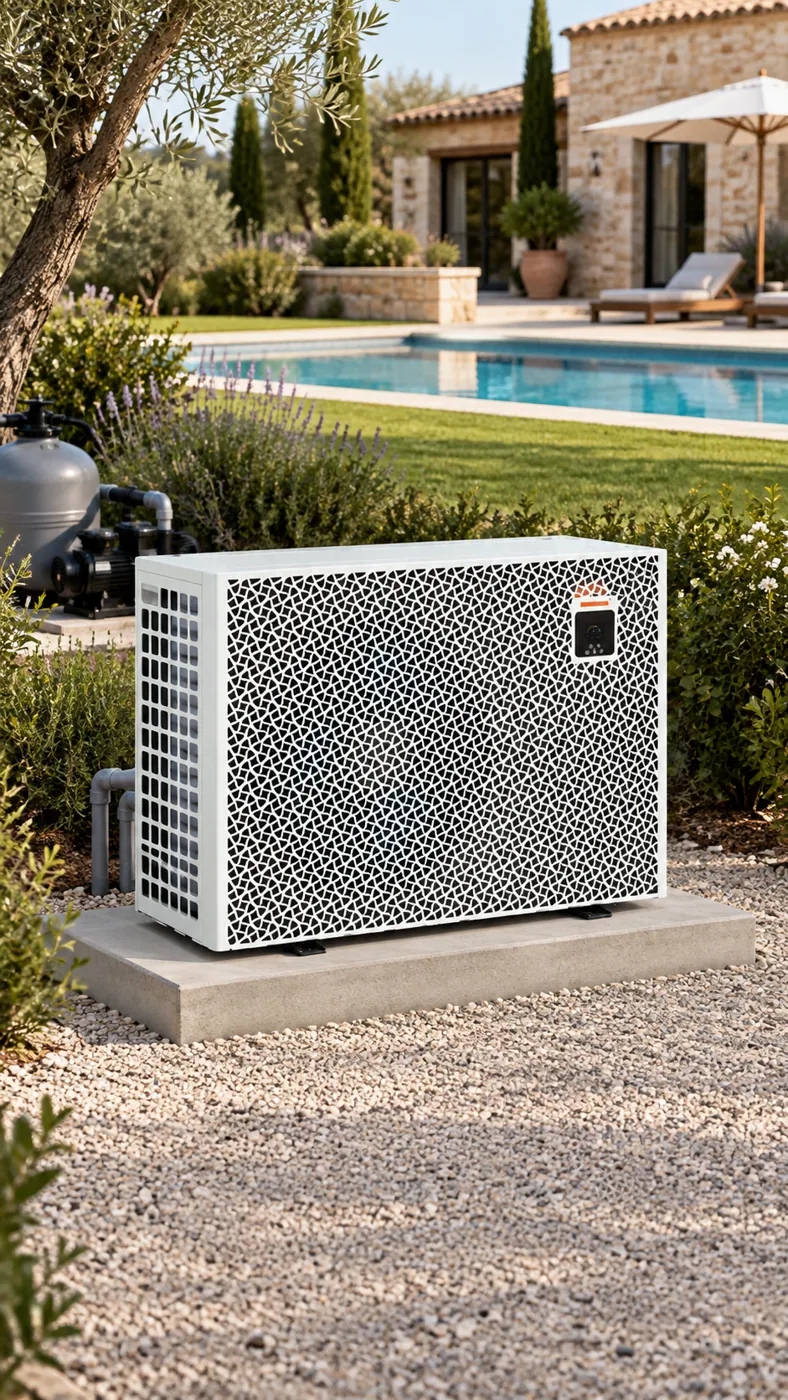
Pool heat pump in the garden
FAQ

What people ask us most

Will a heat pump work with my old radiators?

Yes. R290 heat pumps supply water at up to 75 °C. We check the radiators and insulation and size the system so the house heats properly. The lower the water temperature, the higher the efficiency.

What happens when it's very cold?

The heat pumps keep heating down to −25 °C. Efficiency drops as the temperature falls, so we size the system for the coldest days in your area.

Do I need solar to install a heat pump?

No. A heat pump is very economical on its own. Solar cuts the cost further, because part of the heat pump's electricity is your own.

Is it noisy?

Modern units have a soundproofed compressor compartment and a low-speed fan. We choose a spot with you away from bedrooms and neighbours.

What maintenance does it need?

A yearly check: cleaning the coil and water filters, and checking pressures and settings. We take care of it with a maintenance plan.

Can I control it from my phone?

Yes, via Wi-Fi and the app: temperatures, hourly schedules, weather compensation curve and consumption.

Ask for a heat pump study

We study your heating loads together with the potential for solar and give you one complete proposal.

WhatsAppViberCall